Traffic congestion
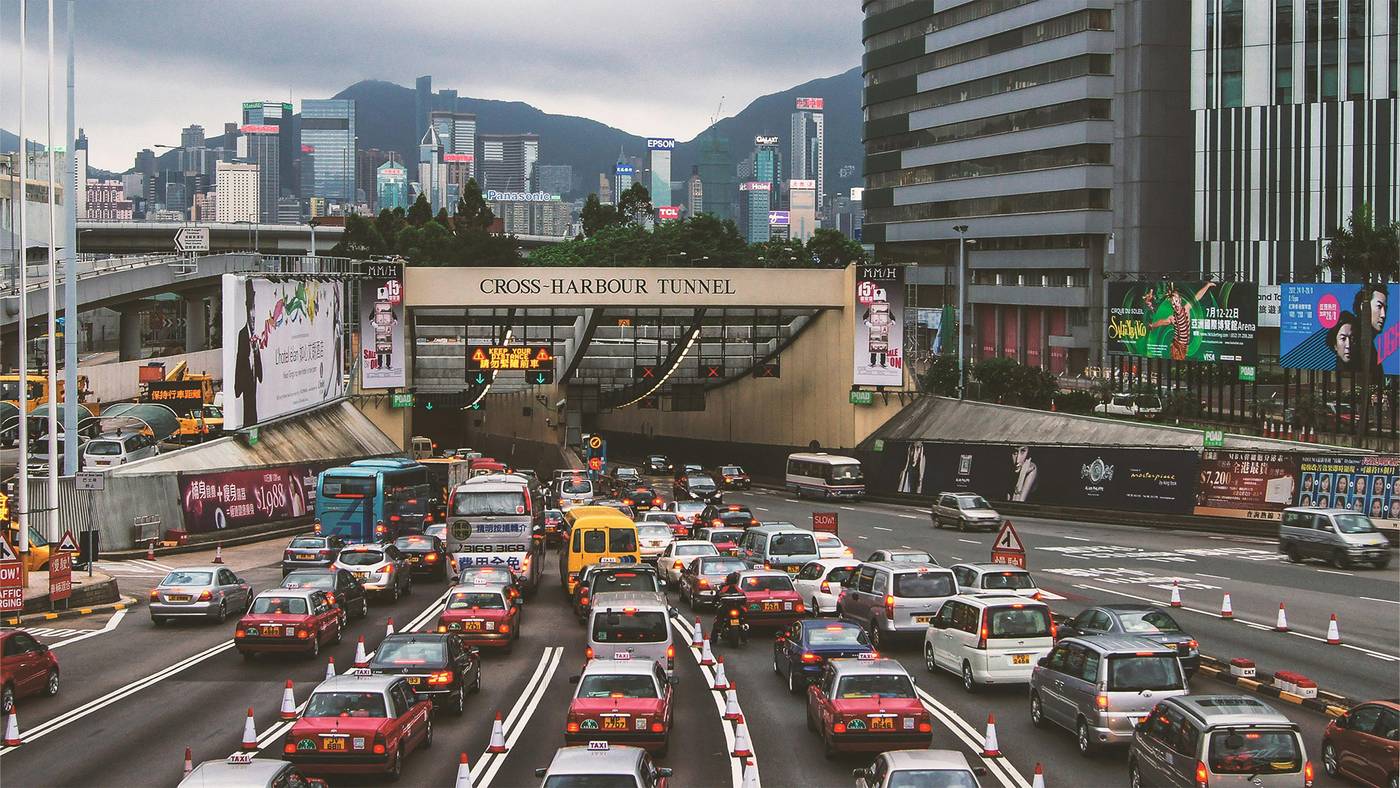
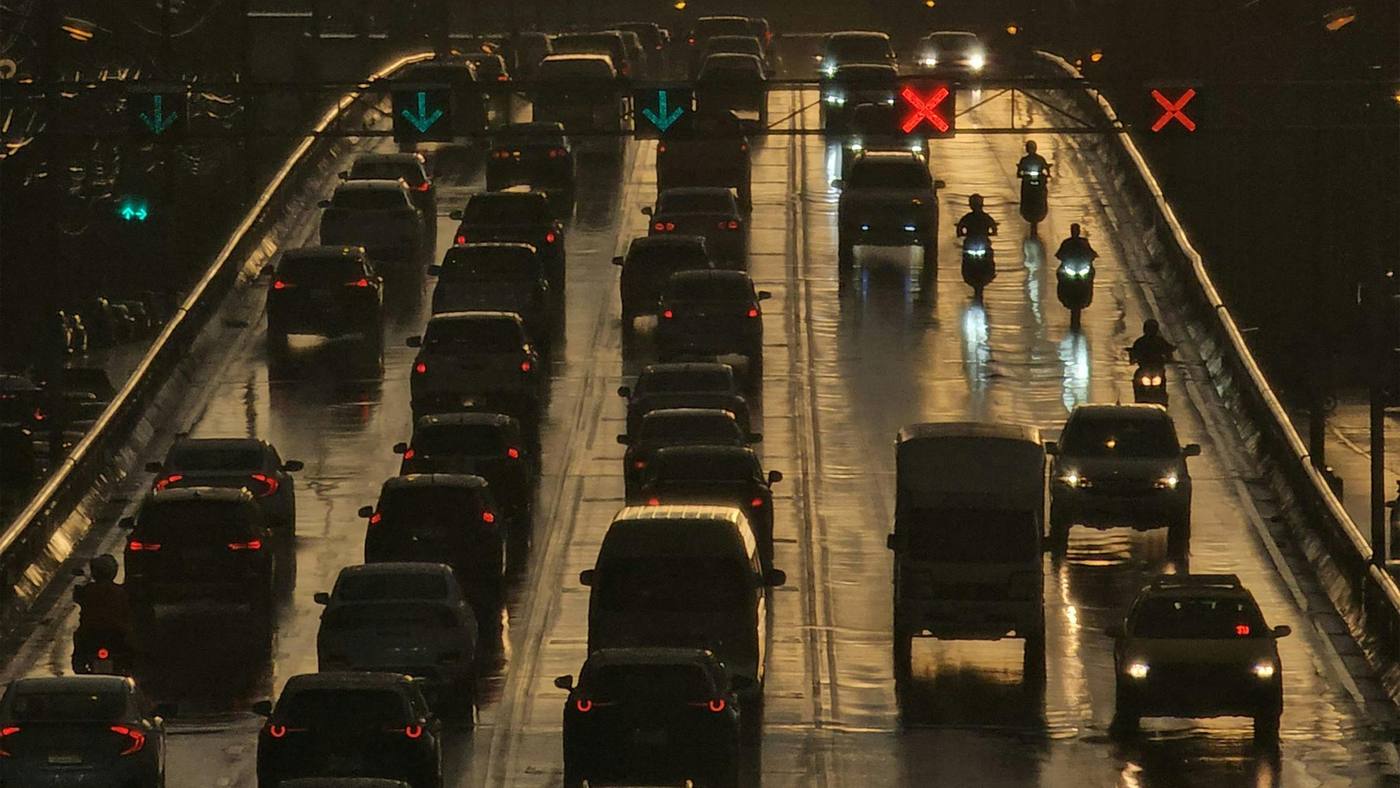
Today’s roads have no way for tens of thousands of vehicles to coordinate. When congestion builds, speeds fall and infrastructure carries fewer people just when demand peaks. FlywayRapid’s Network Operating System keeps the network flowing so capacity does not collapse at the worst moment.
Slow urban speeds
Average travel speed in cities worldwide sits in the range of about 12–25 km/h, and has barely moved in a century. FlywayRapid is designed for an average of about 100 km/h in cities — a fivefold increase — by taking people nonstop from origin to destination.
Pollution
FlywayRapid vehicles do not emit exhaust. They take power from the grid on a dedicated guideway, so the local air along the corridor is not the price of getting to work.
Carbon emissions
Transport is one of the largest sources of CO₂. Electric cars still carry a heavy battery, and making those batteries is itself carbon-intensive. FlywayRapid cuts that dependence by drawing energy directly from the grid — no range anxiety, no recharge cycle.
Poor energy efficiency
Cars waste energy on rolling friction, poor aerodynamics, and stop–start travel. Trains are more efficient on rails, then give the advantage back by stopping at every station and running half-empty off-peak. FlywayRapid keeps rail-like efficiency without those penalties.
Wasted resources
High-quality travel still means owning a car. Public transport rarely matches that convenience, yet mass car ownership is an environmental dead end. India has about 60 cars per 1,000 people; the UK about 600. FlywayRapid is public transport that can match — and exceed — the quality of a private vehicle, without asking every household to own one.
High cost
Transport is one of the largest costs for households and governments. FlywayRapid is designed to cost less to build and to use, and to offer a seated, private journey to people who cannot reasonably own a car.
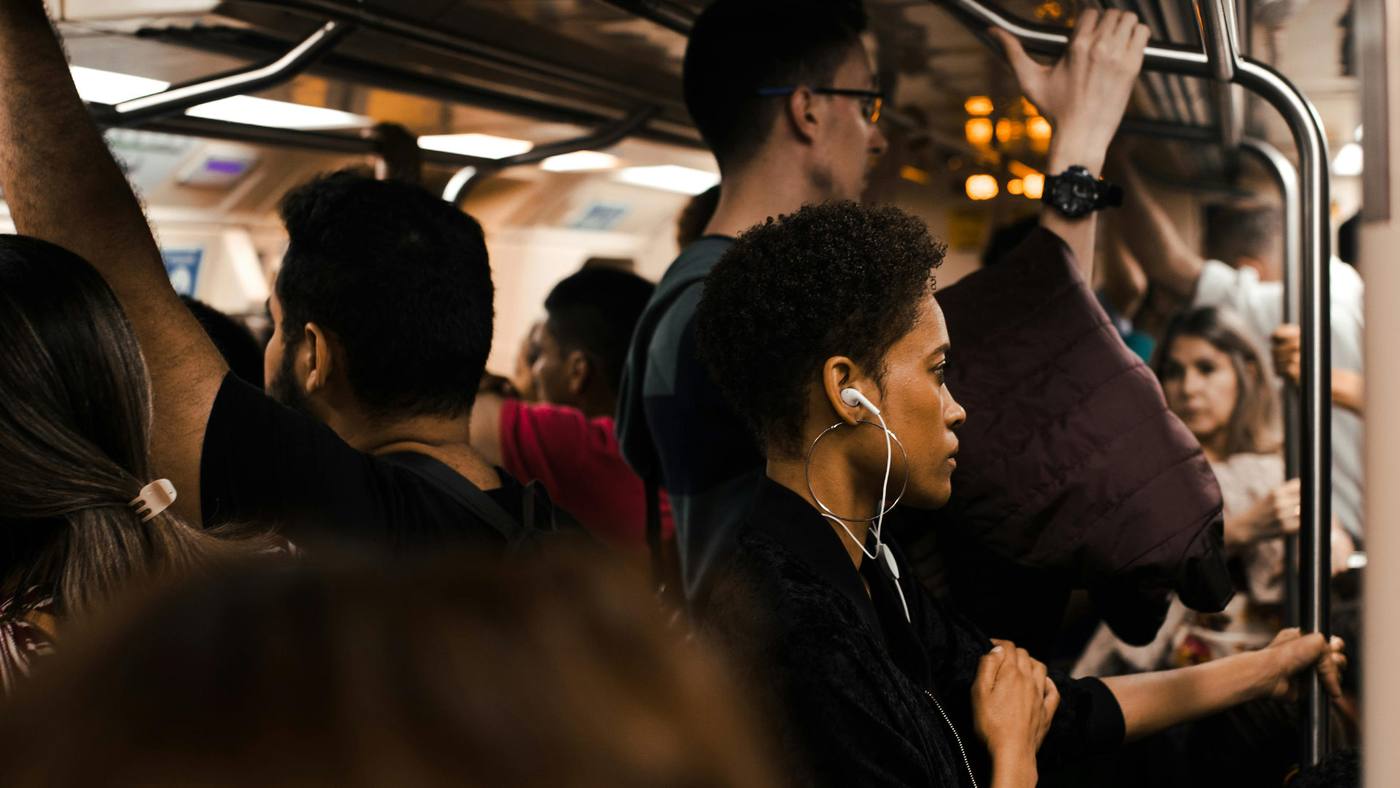
Exhausting journeys
Driving means traffic. Buses and trains mean crowds and standing. People arrive at work already tired and return home more so. FlywayRapid is seated, private and fast — a commute that leaves you with energy rather than taking it.
No space left in cities
There is almost no room to add road lanes, especially in dense cities. FlywayRapid adds large capacity in a narrow corridor, and can turn more tightly than metro lines, so it can follow the streets that already exist.
Safety
About 1.3 million people die in road crashes every year. The leading cause is human error. Automating the vehicle and separating it from mixed traffic is how FlywayRapid is designed to make the journey safer.
Oil and batteries
Most of the world’s transport still burns oil. Electric cars replace that with large, expensive batteries. FlywayRapid is built to need neither: vehicles take energy from the grid as they move.
No complete answer yet
Electric cars and new metros each solve a slice of the problem. No city today offers private, seated, nonstop trips at about 100 km/h average, with no timetable and no interchange. FlywayRapid is built to be the first network that does.